
FV: 2026
TRACKERS REFERENCE GUIDE
Project.Future.Vision © [all rights reserved]
Welcome to the Trackers' reference page. This content is my own, unendorsed and solely of my creation. These are basic training resources that will support the development of your Tracking skills.
Please note that I practice both forensic mantracking and basic wildlife tracking of non-protected species on a frequent, recurring basis. As a result this content will be updated regularly to reflect my latest insights and experiences.
FIND | ANALYSE | INTERPRET | EXPLOIT
What is Tracking?
Tracking is understanding the track and/ or sign of a person or animal by finding, analysing, interpreting and exploiting evidence of their presence.
Along with this definition of tracking there could be a taxonomy that categorises different types of tracking. This taxonomy is a broader conceptual framework that includes subjects in digital space using technologies like drones.
Regardless of the taxonomical structure, all disciplines of tracking are rooted in the ancient Art of Cynegetics.
Irrespective of definitions and taxonomies, tracking is a practical skill and time should not be wasted in excessive deliberation over academic frameworks or argumentation.
Tracking Disciplines:
Forensic Mantracking
Wildlife Tracking
I practice 2 types of tracking: forensic mantracking and wildlife tracking. So, whilst there are other disciplines or applications, I'll list resources only for these disciplines.
What is Mantracking?
Mantracking is the practice of following the trail of a person, typically in a wilderness or urban environment, by reading signs and evidence of their presence.
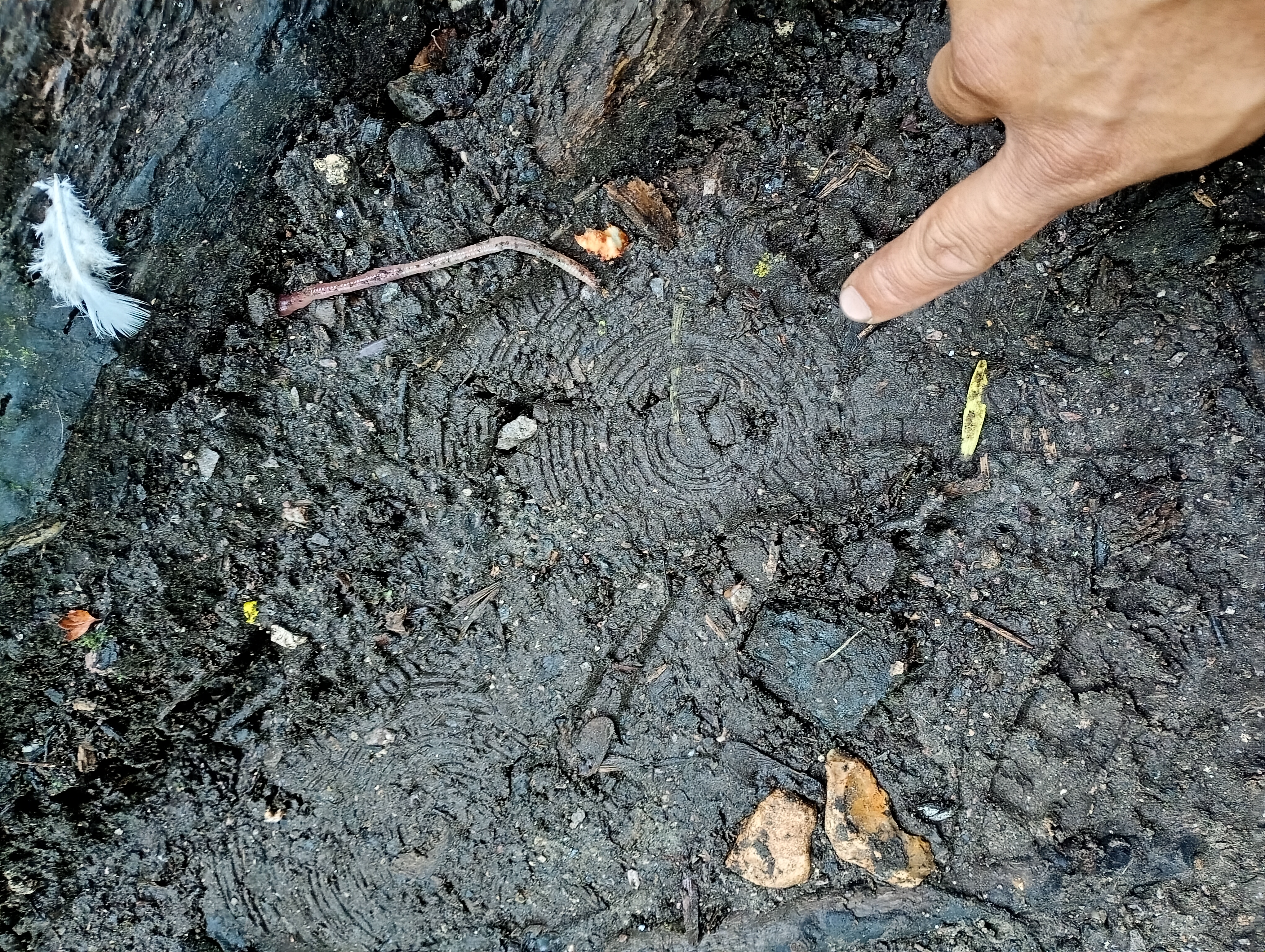
Track (spoor) identified by the author.
Who are Mantrackers?
Anyone can learn to track people. Mantracking is a skill first and foremost. Anyone can learn it with practice and dedication.
Why is Mantracking Important?
It enables individuals to locate missing persons, track suspects, and navigate challenging terrains effectively.
Applications of Mantracking
Mantracking is used in law enforcement, military operations, search and rescue missions, wilderness survival, and urban tracking.
Mantracking Resources
For more details visit www.thewayoftracking.com. Kyt Lyn Walken is a global authority on the Art of Mantracking.
Forensic Mantracking Videos
For more details visit www.thewayoftracking.com. Kyt Lyn Walken is a global authority on the Art of Mantracking.
What is Wildlife Tracking?
Wildlife tracking is the practice of following the trail of animals, typically in a wilderness environment, by reading signs and evidence of their presence.
Who are Wildlife Trackers?
Wildlife tracking is used by various fields such as wildlife researchers, conservationists, hunters, and nature enthusiasts.
Why is Wildlife Tracking Important?
It enables individuals to study animal behavior, monitor populations, and contribute to conservation efforts.
Physical Safety whilst tracking
If you decide to deploy to an area to track quarry, then you must not underestimate the danger that you may be exposed to. In particular, if you are manhunting you must determine whether the quarry poses a threat to you and your physical safety. This is especially important when tracking alone.
There are several threats- quarry, competitor trackers/ grey forces, terrain, weather. The ability to appropriately defend yourself is crucial. Experienced and skilled individuals are dangerous to track. See the videos below for a reality check and seek further training to improve your survivability.
REMOTE SURVEILLANCE:
You must evaluate the operating environment before you deploy to an area. You must assess whether tracking is possible given the security situation which includes air threats, enemy forces or other security risks.